

Beyond Good Intentions: Why SDG Prioritization Is the Missing Link in Corporate Sustainability
Aug 2026 Sara Jalal (Manager CERB)
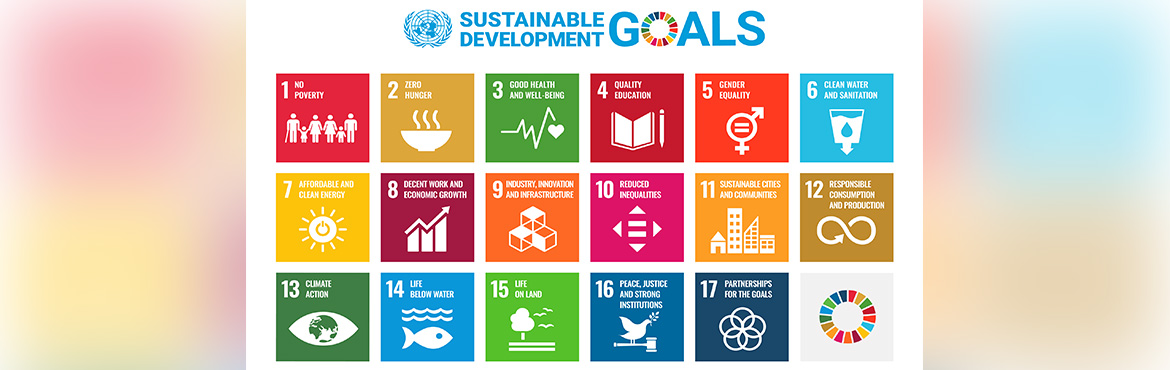
Nearly a decade after the adoption of the United Nations Sustainable Development Goals (SDGs), businesses across the world have enthusiastically embraced the language of sustainability. Annual reports proudly display colorful SDG icons, corporate websites highlight contributions to multiple goals, and sustainability strategies increasingly reference the 2030 Agenda.
Yet an important question remains: Are companies genuinely contributing to sustainable development, or are they simply demonstrating alignment?
The distinction matters.
The SDGs were never intended to be a checklist of seventeen equally important objectives for every organization. They are an integrated global framework, but their relevance differs across industries, geographies, and business models. A pharmaceutical company will influence public health differently from a financial institution. A textile manufacturer will face different environmental and social challenges than a technology company. Expecting every business to contribute equally to every goal is neither practical nor strategic.
This is where SDG prioritization becomes essential.
Prioritization enables companies to identify the goals where they can create the greatest positive impact while managing their most significant risks. It shifts sustainability from philanthropy and isolated initiatives toward business strategy and long-term value creation. Instead of asking, “Which SDGs can we support?” organizations should ask, “Which SDGs are most affected by our operations, products, value chain, and investment decisions?”
The answer requires a structured assessment rather than intuition. Companies should evaluate their environmental, social, and economic impacts across the value chain, engage stakeholders to understand their expectations, assess risks and opportunities, and identify where their capabilities can generate meaningful change. This process helps organizations distinguish between issues that are material to the business and those where their influence is comparatively limited.
Strategic prioritization also improves corporate decision-making. It informs capital allocation, innovation, product development, risk management, and performance measurement. Rather than dispersing resources across numerous disconnected initiatives, businesses can focus investments where they create measurable outcomes for both society and the organization.
The business case is becoming increasingly compelling. Investors, financial institutions, regulators, and customers are no longer satisfied with broad sustainability commitments. They expect evidence that sustainability priorities are embedded within governance, strategy, and risk management processes. The emergence of sustainability disclosure frameworks, including IFRS Sustainability Disclosure Standards, reinforces the need for organizations to identify and report on material sustainability-related risks and opportunities. In many cases, these material issues directly overlap with the SDGs most relevant to the business.
For companies operating in Pakistan and other emerging economies, SDG prioritization carries additional significance. National development challenges including water scarcity, climate resilience, energy security, decent work, education, and gender equality present both risks and opportunities for business. Organizations that align their strategies with these priorities can strengthen resilience, contribute to national development objectives, and build stronger relationships with regulators, communities, and investors.
However, prioritization should not become a branding exercise. Selecting a handful of SDGs without understanding their underlying targets and indicators risks reducing the framework to little more than a communications tool. Effective prioritization requires measurable objectives, clear accountability, defined performance indicators, and transparent reporting on progress and challenges.
Ultimately, the question is no longer whether businesses support the Sustainable Development Goals. The more important question is whether they are focusing their efforts where they matter most.
As the 2030 deadline approaches, corporate leadership will not be judged by the number of SDG icons displayed in sustainability reports, but by the measurable impact businesses create on the goals they are uniquely positioned to influence. Strategic SDG prioritization transforms sustainability from a reporting obligation into a driver of resilience, innovation, and long-term value creation.
The future belongs not to companies that attempt to do everything, but to those that identify where they can make the greatest difference and commit to doing it well.
Telephone: 021-35630528-29
Fax: 021-35630530

